apprenticeships
Earn While You Learn in the Tech Workforce
Request More Information
Construction/Renewable Energy

Electrical – TB: 4 years -
Classroom Hours: 575
Electricians install wiring and other electrical components such as breaker boxes, switches, light fixtures, and telephone and television wiring. They must be familiar with local and national codes. Electricians must be carefully trained and safe because they can expose themselves or expose others to hazardous conditions and situations. Electricians learn their trade through apprenticeship programs that provide classroom instruction and on-the-job learning/training with experienced electricians.
Explore More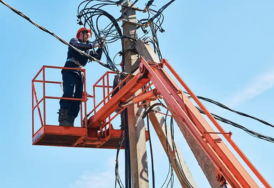
Line Erector – TB: 3 years
Classroom Hours: 480
Line Erectors install and maintain transmission and distribution power lines for electric utilities. These facilities include overhead and underground power cables, as well as substations, Distribution and Transmission Lines, transformers, and switchgear. The line erector, or lineman, apprenticeship program includes task-oriented (on-the-job) learning/training and a competency-based (classroom) curriculum. Graduates receive a certificate that allows them to work across the country in this exciting trade.
Explore More
Construction Craft Laborer- TB: 2 years
Classroom Hours: 290
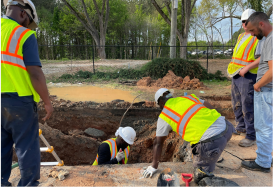
Construction Craft Laborers support infrastructure and building projects by performing a wide range of hands-on tasks in civil, carpentry, and general labor. Apprentices are trained in safety, site preparation, equipment handling, trenching, racking installation, and site cleanup. This time-based program includes 4,000 hours of on-the-job training and classroom instruction in safety protocols, construction math, rigging, and civil layout.
Explore More
Classroom Hours: 145
Explore More

Heavy Equipment Operator – TB: 2 years
Classroom Hours: 482
Heavy Equipment Operators control a variety of machinery used in construction to move earth, build roads, and clear work zones. This time-based apprenticeship includes hands-on training with dozers, excavators, loaders, and compactors, and covers essential tasks such as grading, excavation, blueprint reading, and site safety. Apprentices gain 4,000 hours of on-the-job experience, reinforced by classroom instruction in operational techniques and civil drawings. Graduates earn recognized credentials qualifying them for heavy machinery roles across infrastructure and construction industry.
Explore More
Pipefitter – TB: 4 years
Classroom Hours: 592
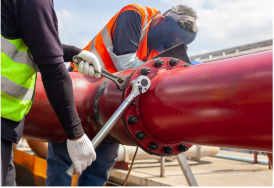
Pipefitters assemble, install, maintain, and repair piping systems for commercial, industrial, and residential applications. This time-based apprenticeship includes 8,000 hours of on-the-job training focused on welding, blueprint reading, pipe fabrication, layout planning, and system inspection. Classroom instruction builds skills in rigging, cutting, safety, and installation of green plumbing systems. Graduates earn nationally recognized credentials and are prepared for careers in mechanical construction and infrastructure development across multiple industries.
Explore More
Telecommunications
Fiber Optic Telecommunication– CB: 1 year
Classroom Hours: 154
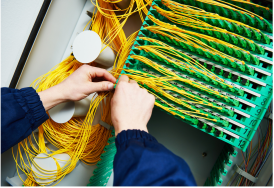
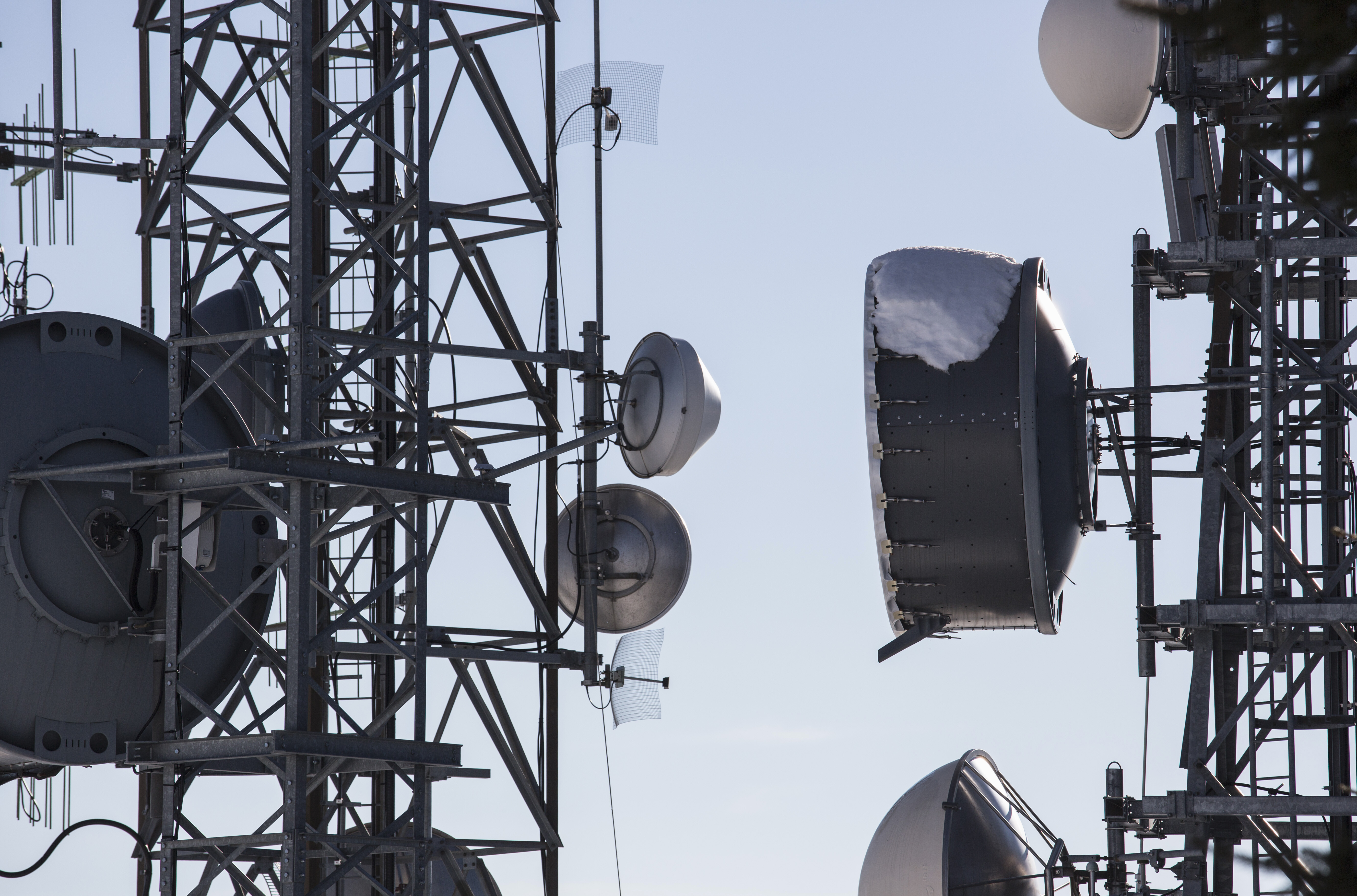
Repair, install, or maintain mobile or stationary radio transmitting, broadcasting, and receiving equipment, and two-way radio communications systems used in cellular telecommunications, mobile broadband, ship-to-shore, aircraft-to-ground communications, and radio equipment in service and emergency vehicles. May test and analyze network coverage.
Explore More
Telecommunications Technician – HYB: 1 year
Classroom Hours: 160
Demonstrate equipment to customers and explain how it is to be used and respond to any inquiries or complaints. Test circuits and components of malfunctioning telecommunications equipment to isolate sources of malfunctions, using test meters, circuit diagrams, polarity probes, and other hand tools. Test repaired, newly installed, or updated equipment to ensure that it functions properly and conforms to specifications, using test equipment and observation.
Explore More
Radio Frequency Technician – CB: 1 year
Classroom Hours: 174
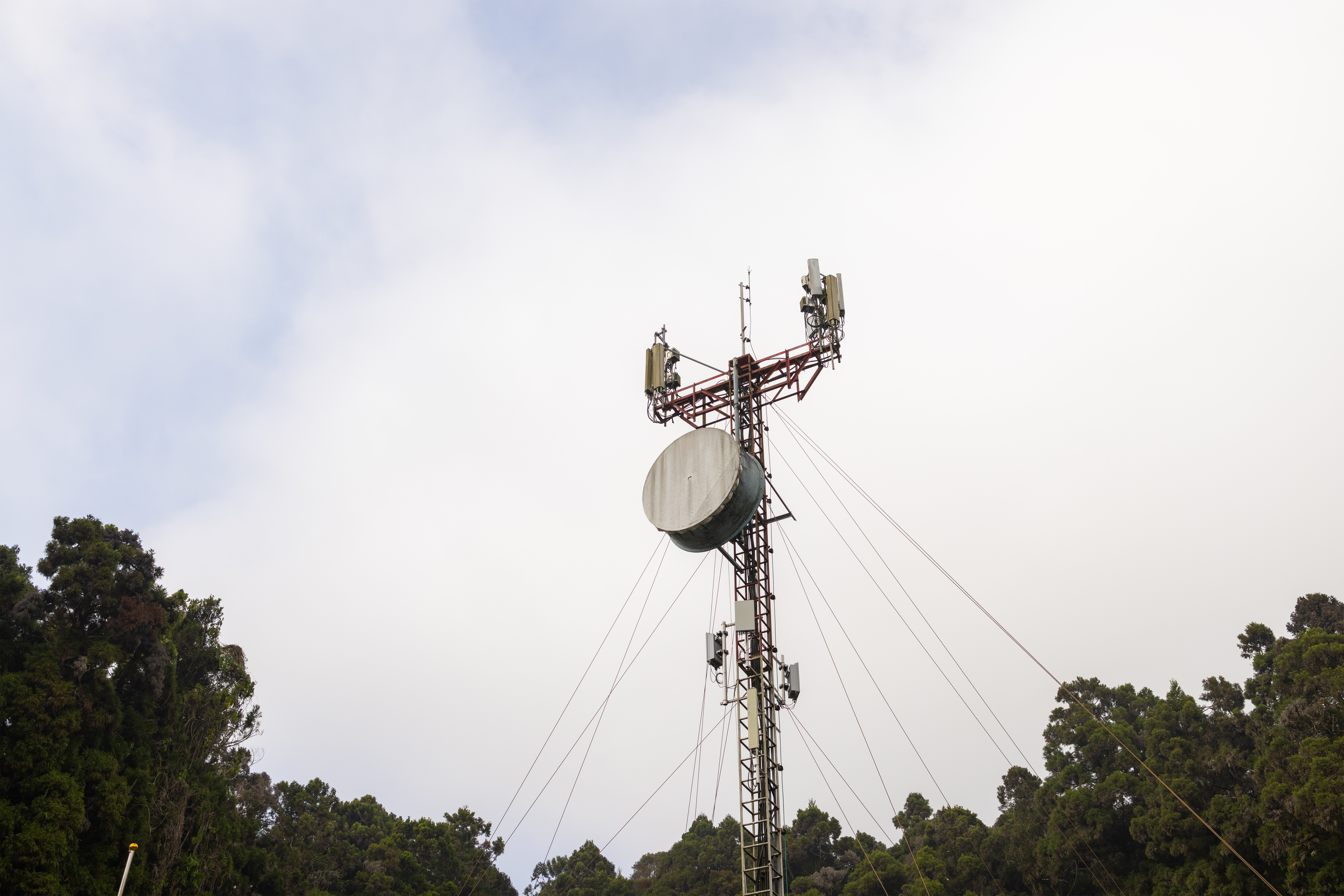
Repairs, installs, or maintains mobile or stationary radio transmitting, broadcasting, and receiving equipment, and two-way radio communications systems used in cellular telecommunications, mobile broadband, ship-to-shore, aircraft-to-ground communications, and radio equipment in service and emergency vehicles. May test and analyze network coverage.
Explore More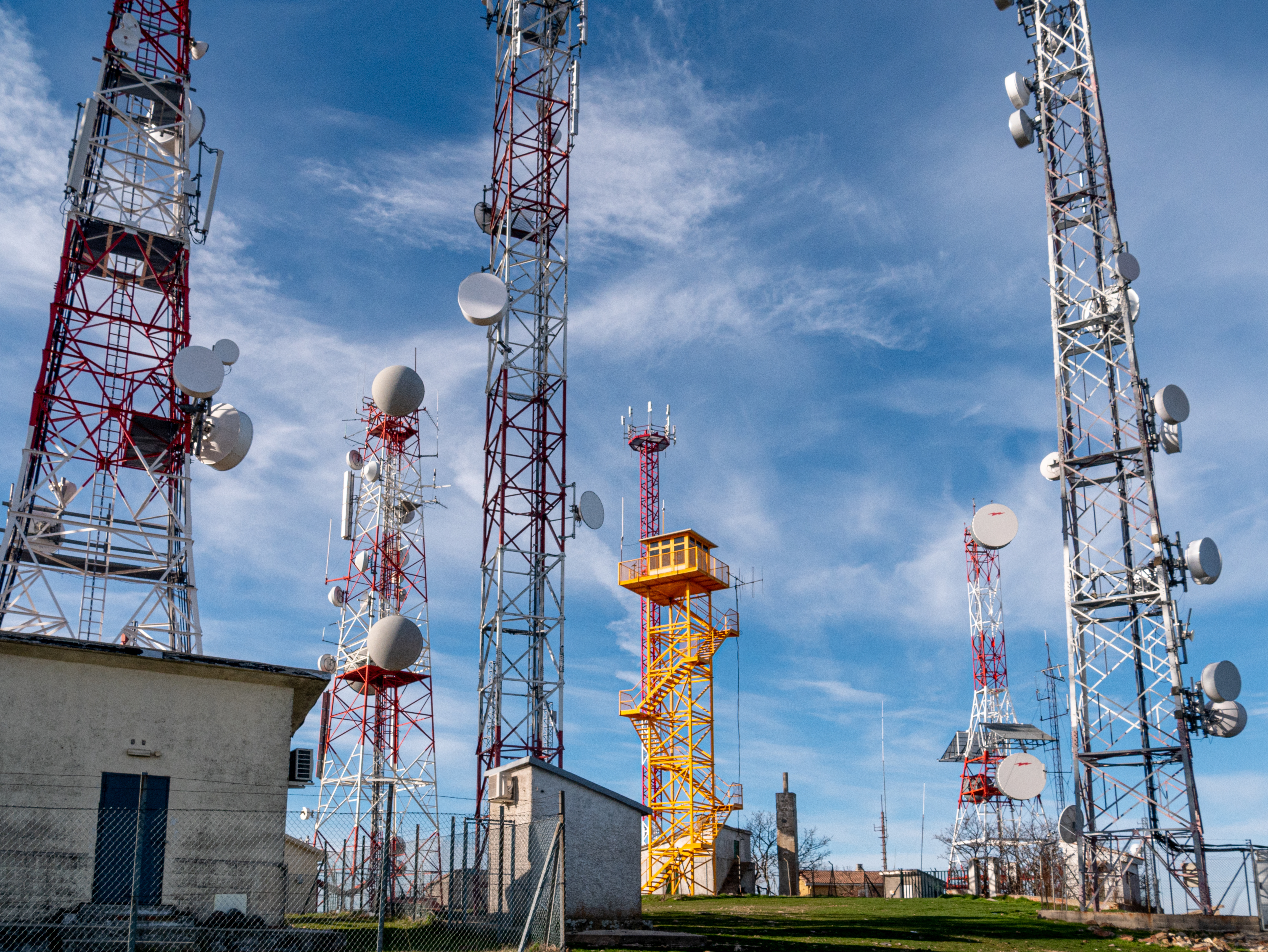
Telecommunications Foreman – HYB: 1 year
Classroom Hours: 185
A telecom tower crew foreman is somebody responsible for the safety of personnel. The job of the foreman is to ensure that operatives carry out work in accordance with both company and legal standards. IT and telecom firms need telecom tower crew foremen to supervise work, conduct site audits, and help crews upgrade existing hardware. Some foremen are also responsible for organizing the hours of work and estimating job costs.
Underground Utility Installer Technician – CB: 1 year
Classroom Hours: 154
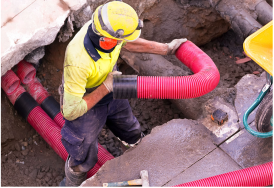
Underground Utility Installer Technicians support the installation, maintenance, and restoration of buried telecommunications systems. This competency-based apprenticeship includes 2,000 hours of on-the-job training focused on trenching, conduit installation, utility locating, horizontal directional drilling, and site restoration. Apprentices also receive safety instruction in CDL operation, OSHA compliance, RF awareness, and backfill techniques.
Explore More
In-Building Wireless Installation Technician – HY: 1 year
Classroom Hours: 144
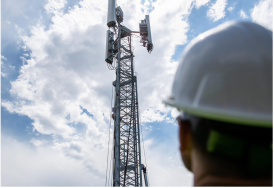
In-Building Wireless Installation Technicians install, terminate, and maintain RF systems that support emergency communications and wireless coverage within commercial buildings. This hybrid apprenticeship includes 2,000–2,500 hours of on-the-job learning in cable installation, passive equipment setup, donor antenna mounting, and fire-stopping. Classroom instruction covers building codes, RF fundamentals, public safety communications (e.g., FirstNet), system design, and troubleshooting.
Explore More
Overhead Utility Installer Technician – CB: 1 year
Classroom Hours: 154
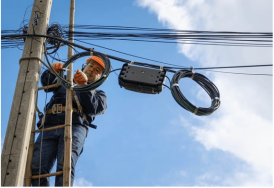
Overhead Utility Installer Technicians build and maintain aerial telecommunications infrastructure, including the installation of fiber and pole-mounted equipment. This competency-based apprenticeship includes 2,000 hours of on-the-job training in pole framing, line lashing, tensioning, vegetation management, and aerial equipment operation. Apprentices are trained in pole climbing, bucket truck use, RF awareness, blueprint reading, and DOT safety.
Explore More
Central Office Installer – CB: 1 year
Classroom Hours: 176
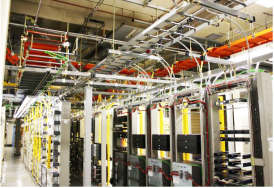
Central Office Installers set up and maintain telecommunications equipment in central switching facilities that support broadband and voice services. This competency-based apprenticeship includes hands-on training in fiber and power cable routing, equipment mounting, documentation, fire stopping, and regulatory compliance. Apprentices progress through advanced installation tasks including quality inspections, system labeling, testing, and customer coordination.
Explore More
Information Technology

Computer Support Specialist – CB: 1 year
Classroom Hours: 160
Answers a user’s inquiries regarding computer software or hardware operation to resolve problems. Oversee the daily performance of computer systems. Read technical manuals, confer with users, or conduct computer diagnostics to investigate and resolve problems or to provide technical assistance and support. Set up equipment for employee use, performing or ensuring proper installation of cables, operating systems, or appropriate software.
Explore More
Cyber Security Specialist – CB: 1 year
Classroom Hours: 144
Develops security policies and protocols; assists in enforcing company compliance with network security policies and protocols. Provides technical support to users or customers. Installs, configures, tests, operates, maintains, and manages networks and their firewalls including hardware and software that permit sharing and transmission of information. Installs, configures, troubleshoots, and maintains server configurations to ensure their confidentiality, integrity, and availability; also manages accounts, firewalls, configuration, patch, and vulnerability management.
Explore More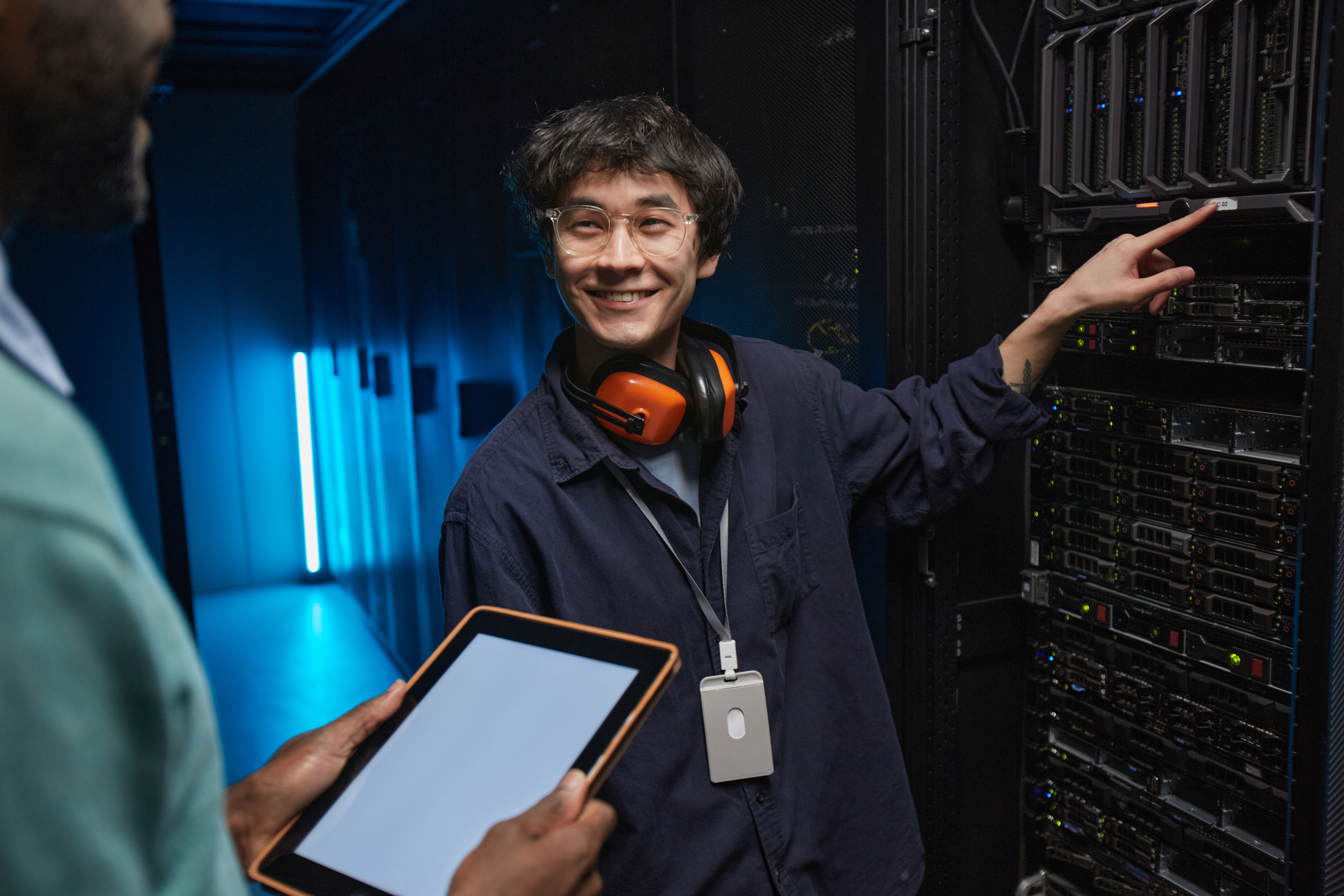
Network Support (Cloud Administrator)– CB: 1 year
Classroom Hours: 160
Test programs or databases, correct errors, and make necessary modifications. Plan, coordinate, and implement security measures to safeguard information in computer files against accidental or unauthorized damage, modification, or disclosure. Modify existing databases and database management systems or direct programmers and analysts to make changes. Specify users and user access levels for each segment of the database.
Explore More
IT Project Manager – CB: 1 year
Classroom Hours: 160
Plans, initiates and manages information technology (IT) projects. Lead and guide the work of technical staff. Serve as liaison between business and technical aspects of projects. Plan project stages and assess business implications for each stage. Monitor progress to assure deadlines, standards, and cost targets are met.
Explore More